Problem
Inboxes overwhelm.
Modern inboxes flood users with tasks, notifications, updates, unread anxiety, and fragmented workflows.
I'm a product-minded software engineer who enjoys building AI-native products that reduce chaos instead of adding to it. Over the past 10+ years, I've worked on cloud, AI, and distributed systems across cybersecurity and data platforms, but somewhere along the way, a conversation about Ikigai made me realize the parts of my work I loved most were understanding people, shaping experiences, and helping teams make sense of complexity.
Most recently, I've been building MailBuddy, an AI inbox assistant inspired by a simple question: why do modern inboxes feel emotionally exhausting? I've also worked on AI-powered coaching experiences, storytelling-driven engagement, and personalization systems designed to make technology feel a little more thoughtful.
Outside of work, I'm a singer, storyteller, and mom to an energetic toddler — which probably explains both my appreciation for calm user experiences and my strong feelings about notification overload.
Currently obsessed with AI workflows, product UX, and why unread counts feel emotionally aggressive.

AI-powered inbox assistant focused on reducing cognitive overload from email.
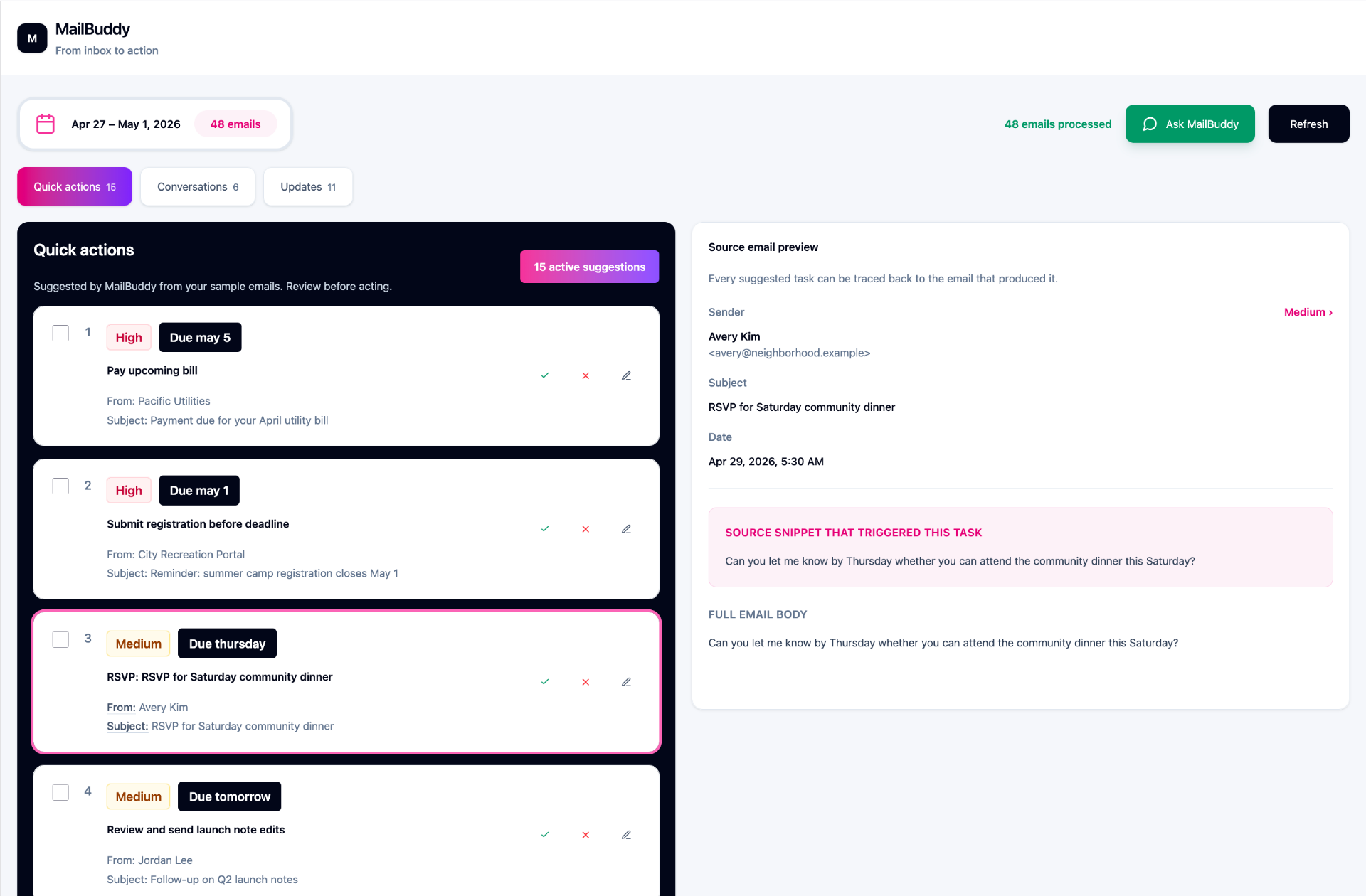
Modern inboxes flood users with tasks, notifications, updates, unread anxiety, and fragmented workflows.
Inboxes have become workflow systems — blending communication, tasks, recommendations, updates, and operational coordination into one stream.
MailBuddy transforms overwhelming inboxes into prioritized actions, compressed updates, workflow summaries, and actionable intelligence.
Pull actionable to-dos out of long threads, automatically.
Cluster emails by intent, not just by sender or label.
Compress 40-message chains into a 3-line situational read.
Surface what blocks others and what blocks you.
Triage and respond hands-free, even between meetings.
Newsletters, releases, status — compressed into one view.
The thinking, research, and decisions that shaped MailBuddy — documented as a real PM artifact.
How MailBuddy evolved from an observation about inbox overload into an AI-native semantic intelligence layer for Gmail.
Interactive product spec hosted on Figma Sites.
Numbers train the brain to chase zero, not meaning. The cost is attention, not minutes.
A receipt and a board update share a row. The interface flattens what shouldn't be flat.
Folders and labels describe storage. People want to know what to do next.
If summaries become another stream to read, the product has failed its premise.
Product Manager · AI-powered coaching platform
Worked as the sole Product Manager on a small cross-functional team building AI-powered coaching experiences focused on storytelling, personalization, emotional engagement, and guided self-reflection.
Recognized that users connected more deeply with relatable stories than abstract concepts. Proposed and introduced story-driven coaching journeys that eventually became one of the most positively received parts of the product experience.
Defined user and AI coach personas to create personalized coaching journeys tailored to different life situations, motivations, and emotional needs. Used user interviews and behavioral feedback to shape engagement strategies and personalization experiences.
Designed the product vision for a Digital Twin system that helps AI coaches remember context, personalize guidance, and adapt coaching journeys over time.
Contributed to architecture and AI workflow discussions around personalization systems, memory design, semantic retrieval, and feature prioritization by bridging product and engineering perspectives.
Helped design a coaching experience that blended conversational AI, storytelling, journaling, and guided meditation into a seamless daily practice.
Conducted user interviews and feedback sessions to uncover engagement patterns, retention challenges, usability pain points, and opportunities to improve the coaching experience. Used these insights to shape product direction, storytelling strategy, personalization efforts, and future roadmap decisions.
Building emotionally engaging AI experiences requires much more than good models. It requires narrative, pacing, trust, emotional resonance, and thoughtful product design.
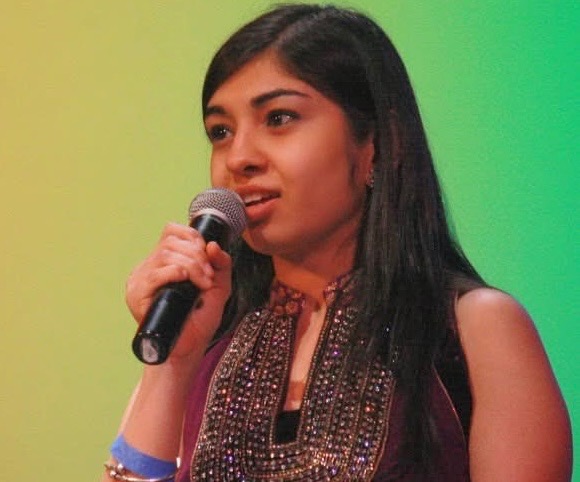
Rooted in storytelling, performance, and emotional connection — years of training in raag and taal that quietly shape how I build.
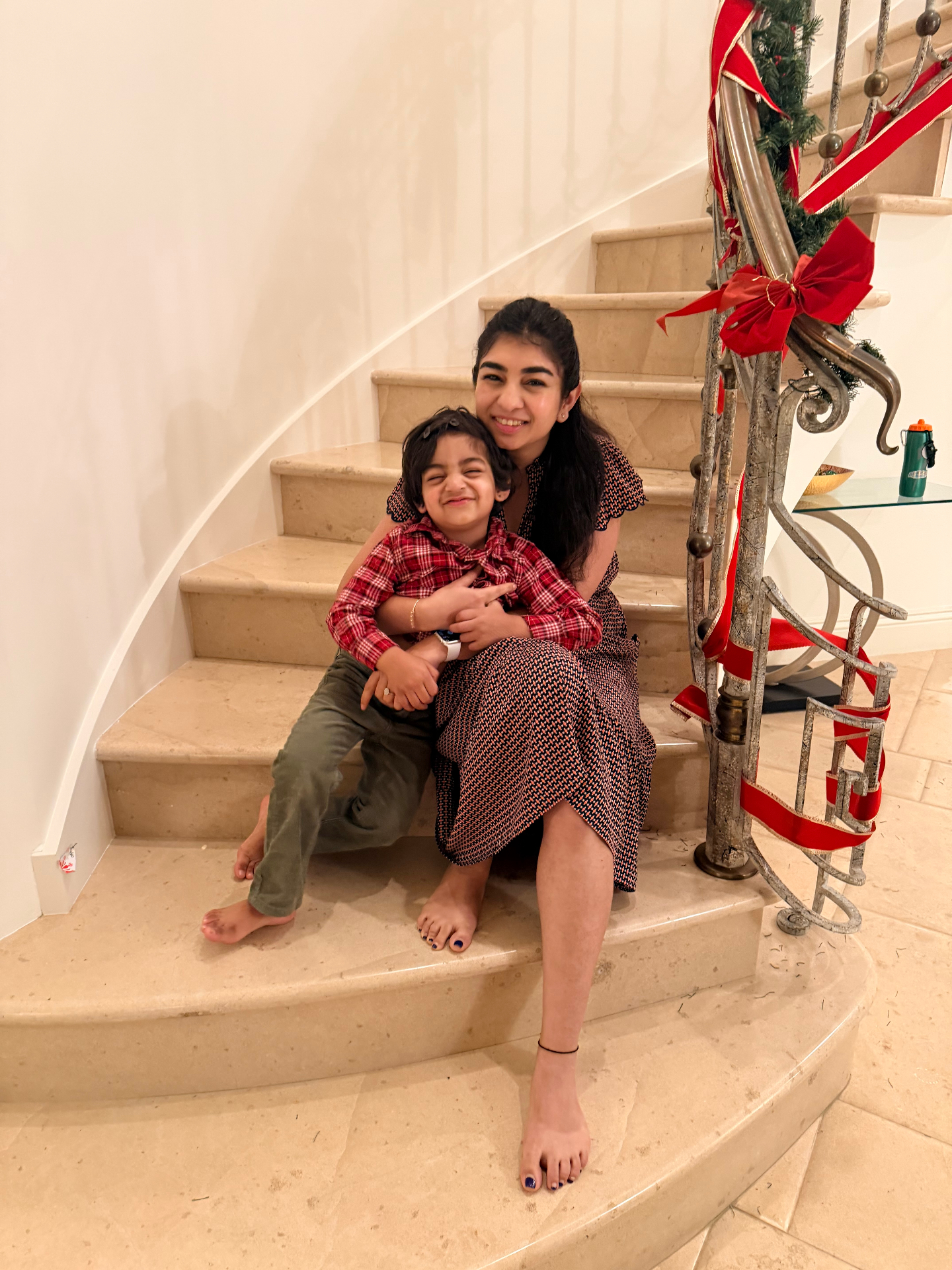
Successfully potty-trained a very opinionated toddler in 10 days. Behavior change, incentives, and iterative experimentation matter a lot there too.